Our expertise
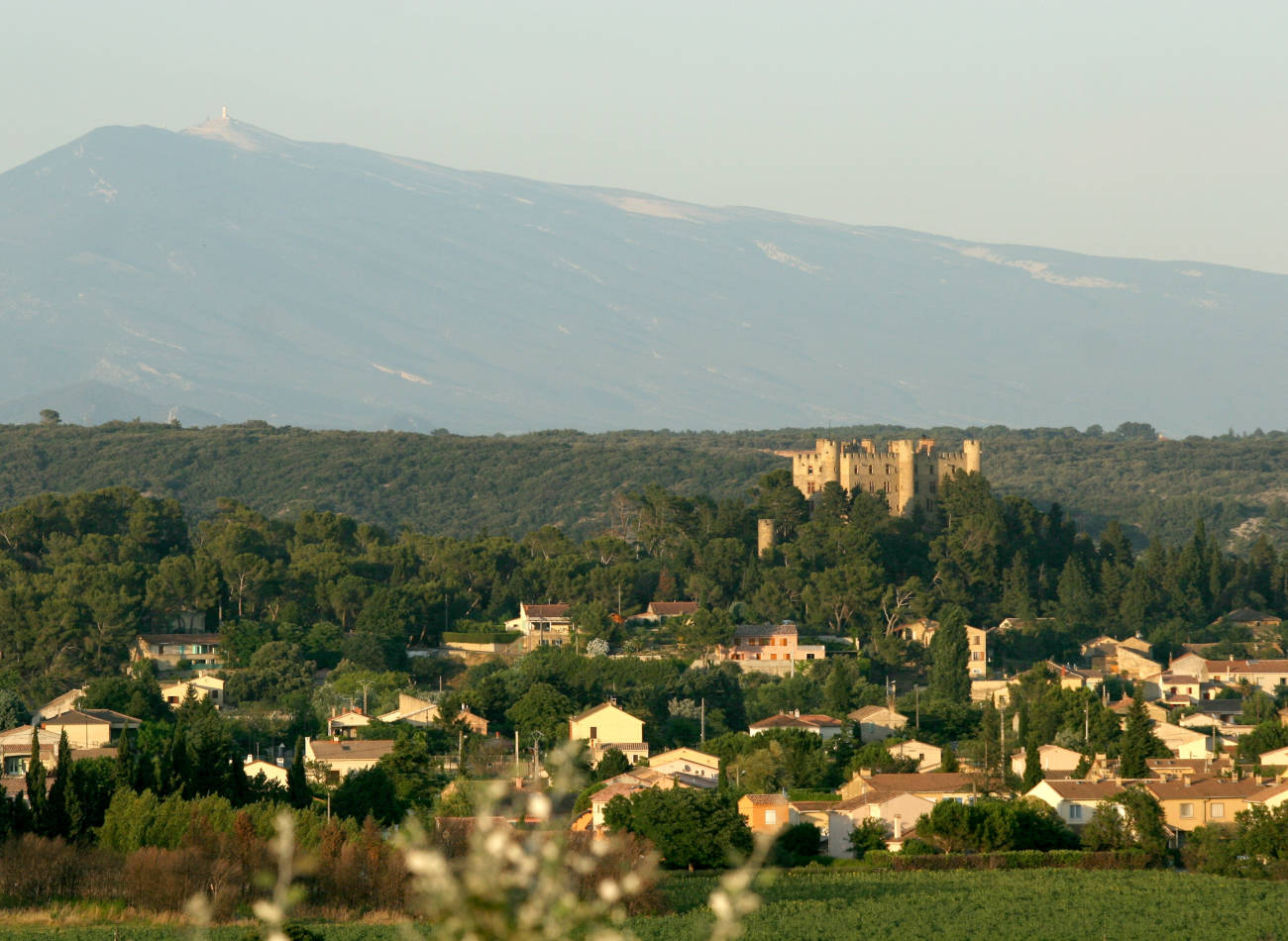
The Château de Montfaucon is a unique place, marked by the diversity of its terroirs and a deep attachment to its environment.
Since 1995, Rodolphe de Pins has dedicated himself to revealing the grandeur of the Montfaucon terroir, respecting and enhancing the unique character of each plot. The diversity of soils and exposures, the richness of the grape varieties, and the presence of preserved century-old vines all contribute to the complexity and character of the wines. This combination, underpinned by a constant commitment to the environment, gives rise to wines that truly reflect their place, seeking a balance between fruit, flowers, garrigue, spices, and depth. These wines are the culmination of a philosophy and expertise that Rodolphe and his son Léon are committed to perpetuating.
The imprinT of the terroir
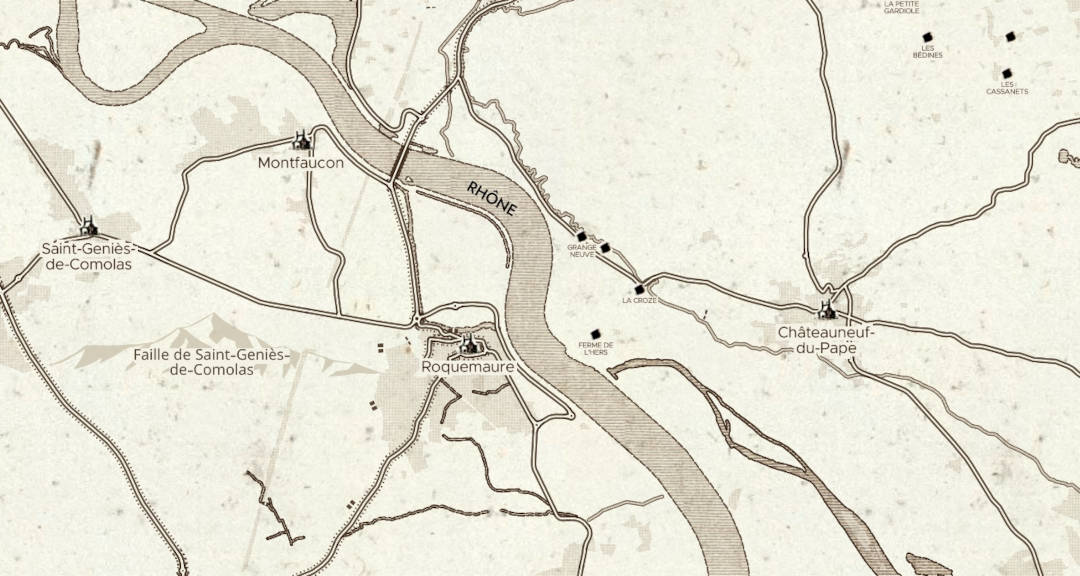
The identity of Château de Montfaucon wines stems primarily from the mosaic of soils and subsoils where the vines have thrived for decades—and in some cases, for over a century. The combined influence of the nearby Rhône River, a rich ecosystem of surrounding woodlands, and the limestone fault line that forms the geological backbone of the terroir, contributes to the great freshness and elegance of Montfaucon’s wines.
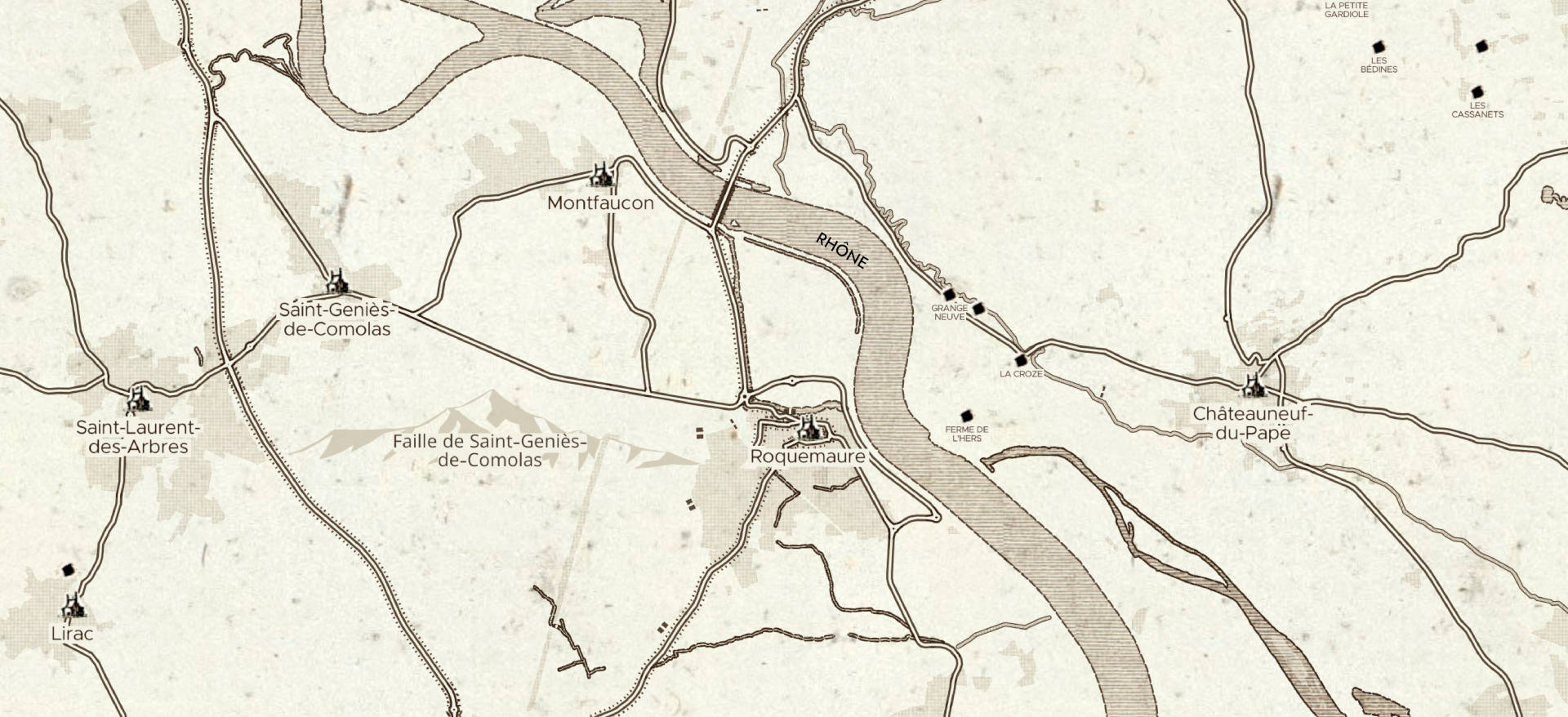
- The Terroirs of Lirac
- The Terroirs of Châteauneuf-du-Pape
MONT PEIGUEROL
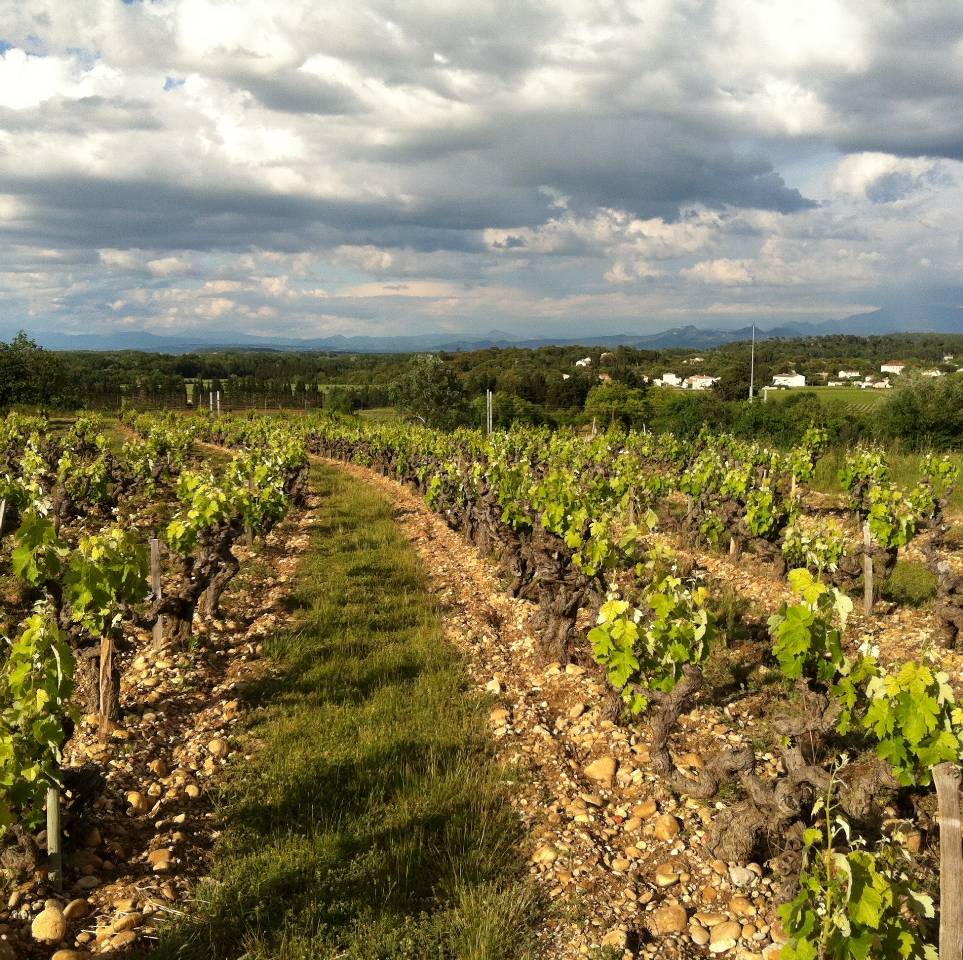
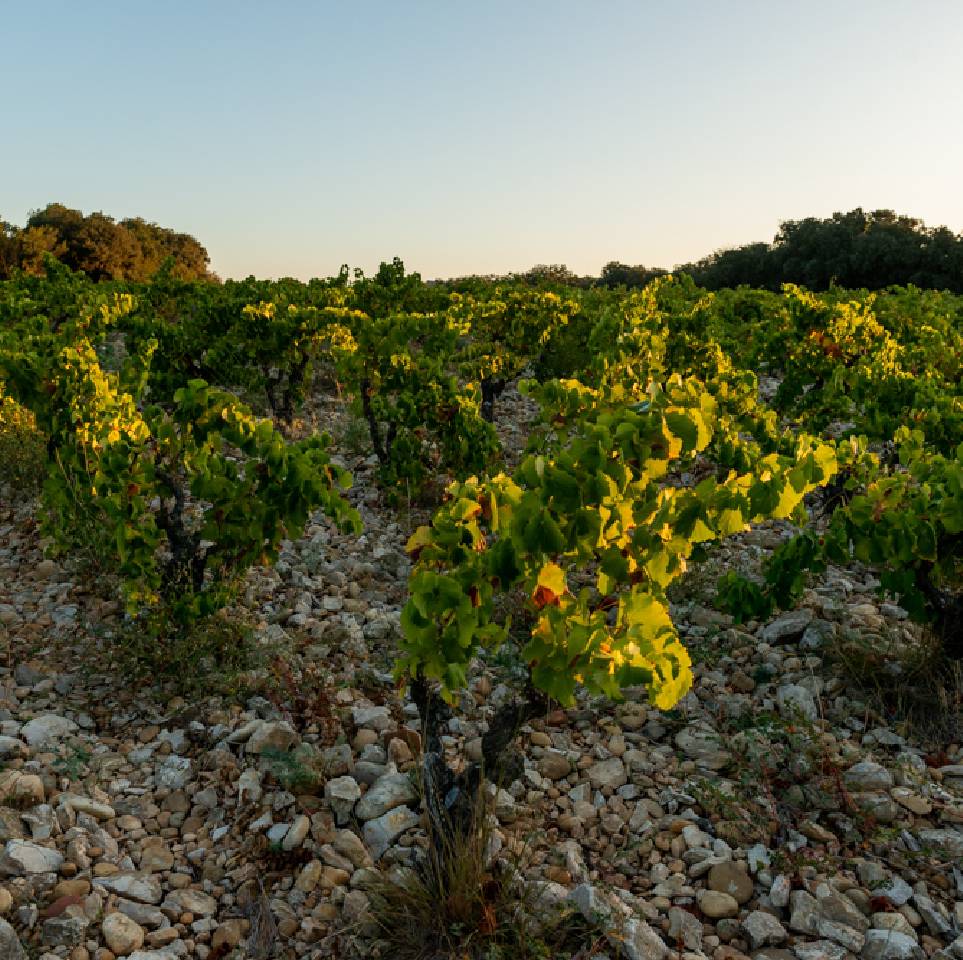
On Mont Peiguerol (“Rolling Stone” in Provençal) lies a 20-hectare collection of parcels dating from the Villafranchian era (2 to 5 million years ago). Terraces covered with galets roulés (rounded pebbles) over weathered fine clays and a sandy subsoil structure the hillsides. One of these parcels is home to 150-year-old Clairette vines, interplanted (complantées) with a multitude of other grape varieties. Overlooking the Rhône, this terroir benefits from the river’s proximity, which ensures excellent vine health and serves as a precious reservoir of freshness.
LA ROCHE
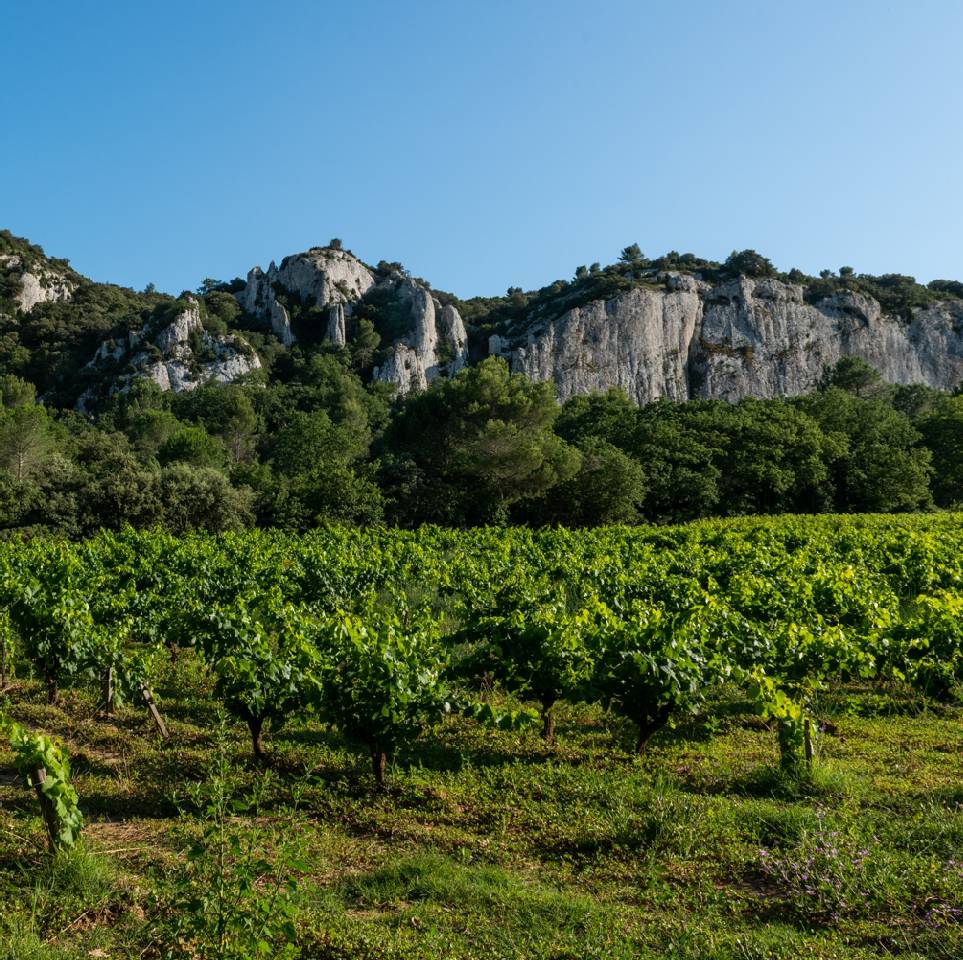
Below the Saint-Geniès-de-Comolas fault line, which dates from the Cretaceous period, 15 hectares of vines span the localities known as “La Roche” and “Le Sablas.” The soils, composed of Urgonian limestone scree resulting from the erosion of this fault, rest upon Pliocene marine sands. This sand-limestone combination, enhanced by the proximity of the forest, yields wines with a delicate and balanced texture. The north-east exposure of the vines brings freshness to the old Grenache, Cinsault, and Carignan vines, as well as to the few Syrah vines planted on stakes (en échalas).
L’ESCARCE
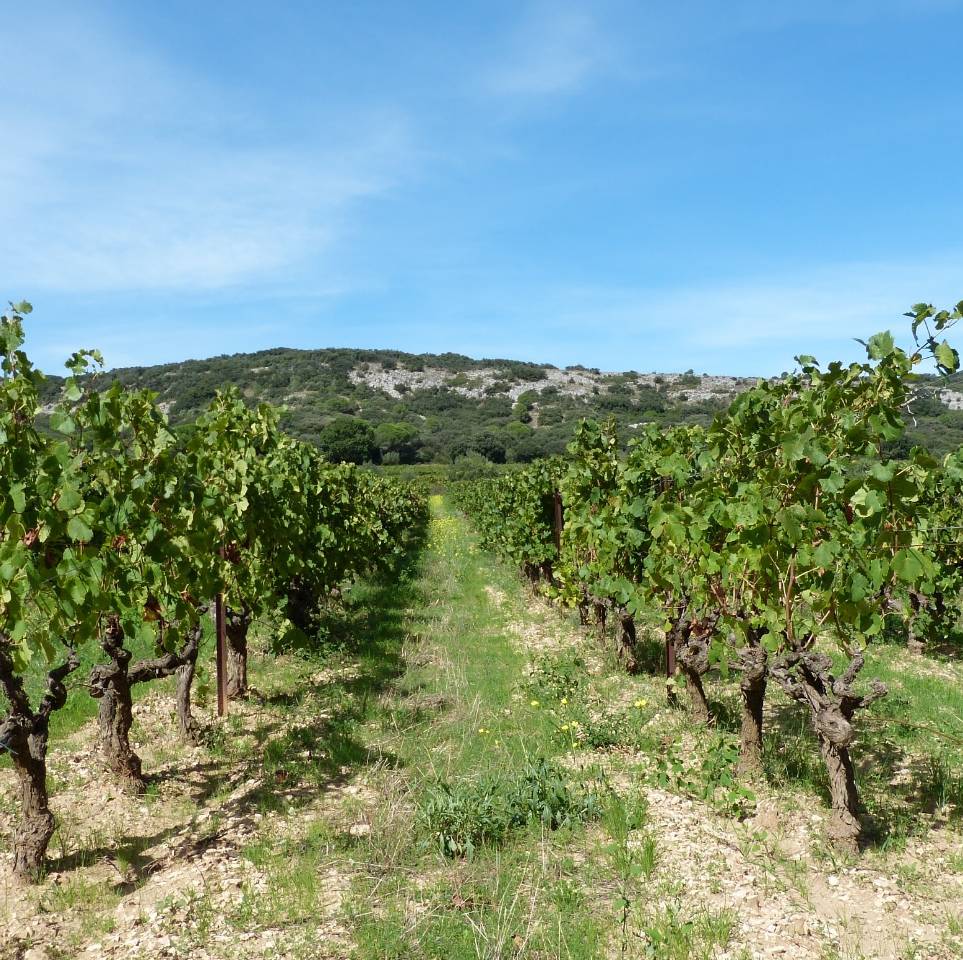
Located on the other side of the Saint-Geniès-de-Comolas fault line, L’Escarce features a hillside vineyard of clay-sandy soils rich in limestone scree. This block of approximately 10 hectares offers ideal conditions for white wine production. The scree that makes up the soil comes from the erosion of the limestone fault line.
LES ESCONDUDES
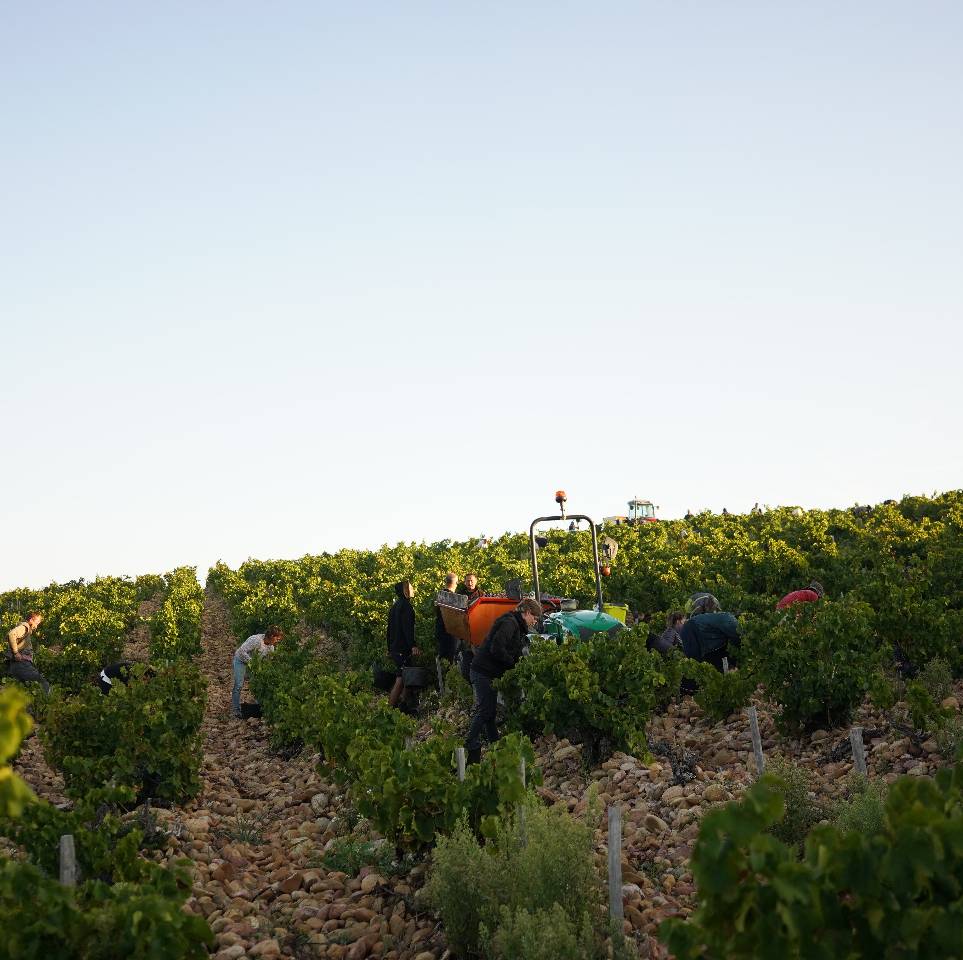
A 1.30-hectare parcel located on a south-west-facing slope on the edge of the famous La Crau plateau. Planted on Villafranchian terraces of rolled pebbles, it features 80-year-old vines consisting of 92% Grenache and 8% Mourvèdre.
CLOS BIMARD
A single, continuous 3.5-hectare vineyard surrounded by woods and located in the “Bois de la Ville” locality. The soils, rich in Cretaceous limestone blended with galets roulés, are home to 70-year-old vines of Grenache, Cinsault, and Mourvèdre.
Environmental
Commitment
There can be no wines with a true sense of identity, nor any preservation of great terroirs, without environmentally friendly viticulture. In 2010, Rodolphe de Pins committed the estate to an organic transition, culminated by achieving organic certification (AB) in 2021.
The commitment goes further: a cover crop strategy in every second row helps stimulate microbial soil life and fosters biodiversity (both flora and fauna) within the vineyard. This plant cover limits evapotranspiration during intense summer heat and reduces soil erosion on days with a strong Mistral wind.
This dynamic approach is also reflected across the estate’s surroundings. A revegetation initiative has been undertaken to border the parcels with hedgerows composed of diverse, native species. In 2023 alone, 652 trees were planted. This philosophy is part of a holistic approach where the vine can only fully thrive within a harmonious ecosystem.
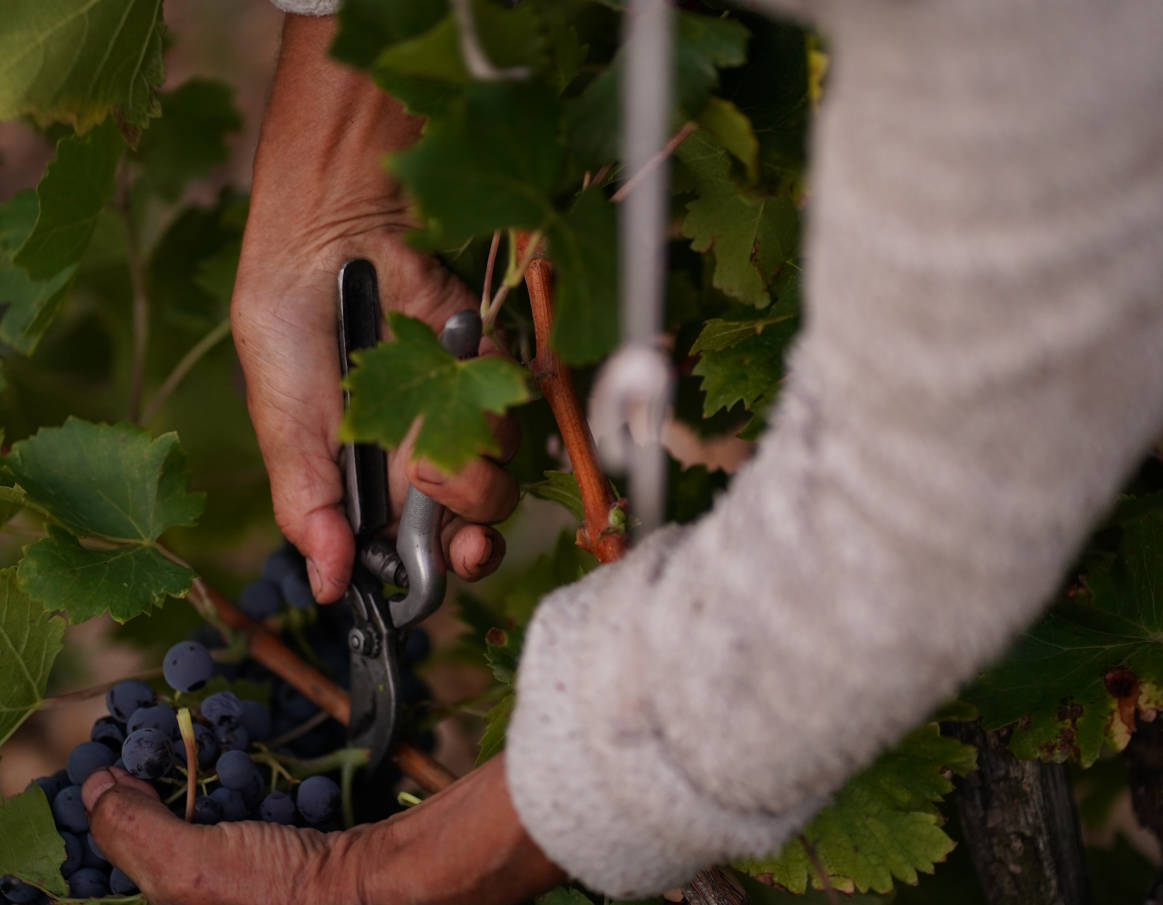
This high standard naturally extends to the crucial moments of harvest and vinification. The estate pays meticulous attention to precise physiological ripeness, notably through berry tasting. De-stemming percentages vary depending on the grape varieties and harvest conditions.
This is followed by low-intervention vinifications guided by regular tasting, in a constant quest for purity and balance. Fermentation is carried out by indigenous yeasts, and extractions are kept gentle.
WINEMAKING AND AGING:
The Art of Giving Time to Time
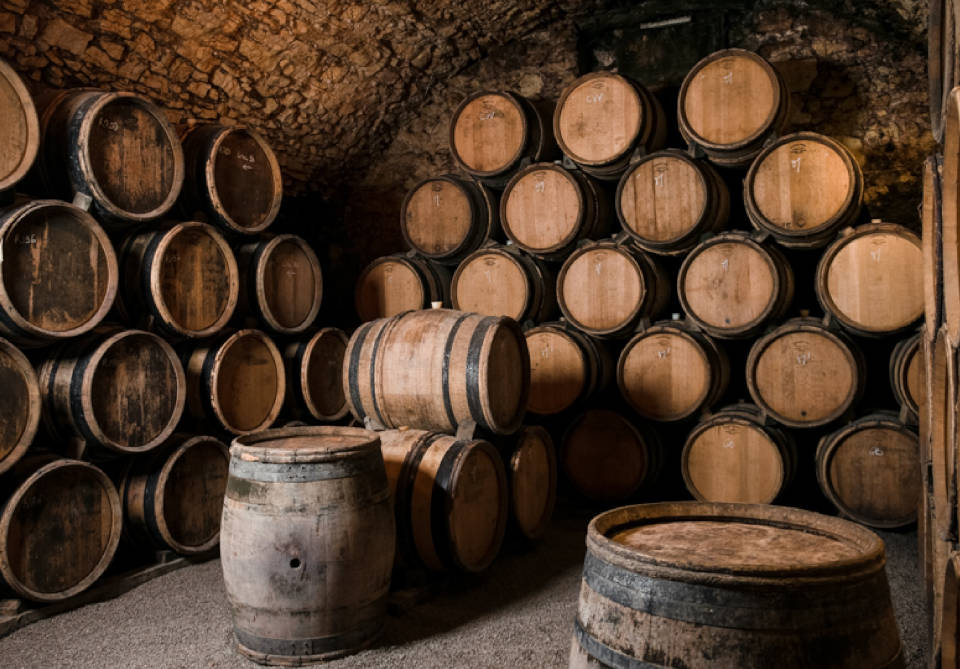
While wines are first made in the vineyard, it is through the test of time that they fully reveal their potential. Once in the cellar, the wines of Château de Montfaucon undergo long and patient aging in concrete vats or French oak barrels (Burgundian barrels and demi-muids, with no new oak), allowing them to express all their subtlety. The barrels are chosen for their micro-oxygenation qualities and the gentle patina they bring to young wines. Each cuvée benefits from tailor-made aging.
Following this same logic, Château de Montfaucon makes it a point of honor to cellaring its bottles for several years, offering wine lovers older vintages at peak maturity. We offer “ready-to-drink” wines for tasting—wines that have had the time to develop a beautiful patina, gain complexity, and soften the fire of their youth, all while retaining the intensity and character unique to the great wines of the Rhône. This fully reveals the potential of Lirac terroirs and their ability to age with grace
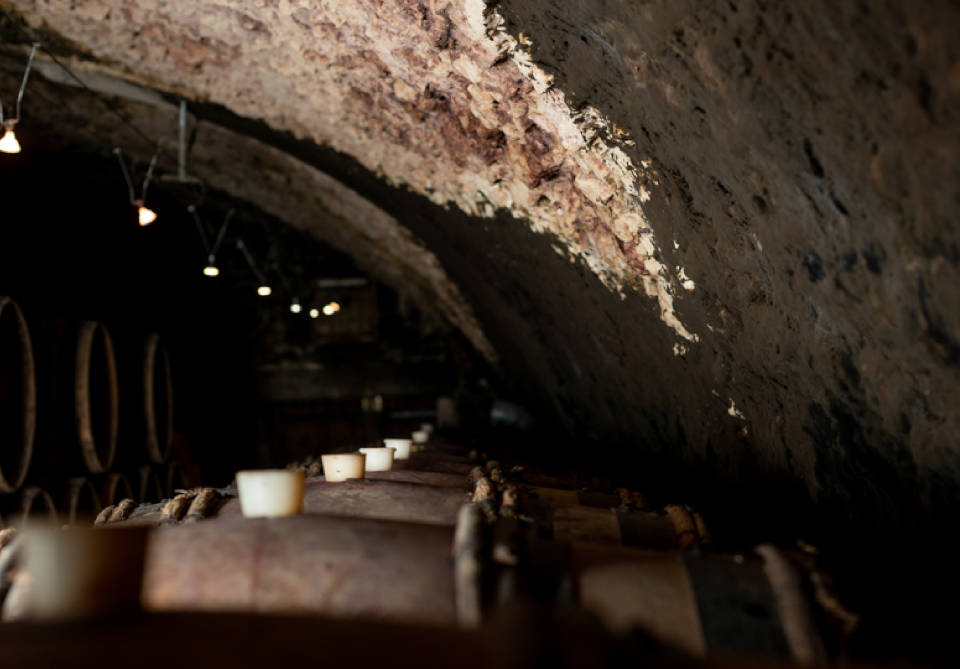
Following this same philosophy, Château de Montfaucon makes it a point of honor to keep its bottles in the cellar for several years, in order to offer connoisseurs older vintages at perfect maturity. The estate presents wines that are truly “ready to drink,” having had the time to acquire a patina, become more complex, and soften the vigor of their youth—without in any way denying the intensity and character typical of the great Rhône wines. This approach reveals the full potential of the Lirac terroirs and their remarkable ability to age with grace.