Rooted in our land
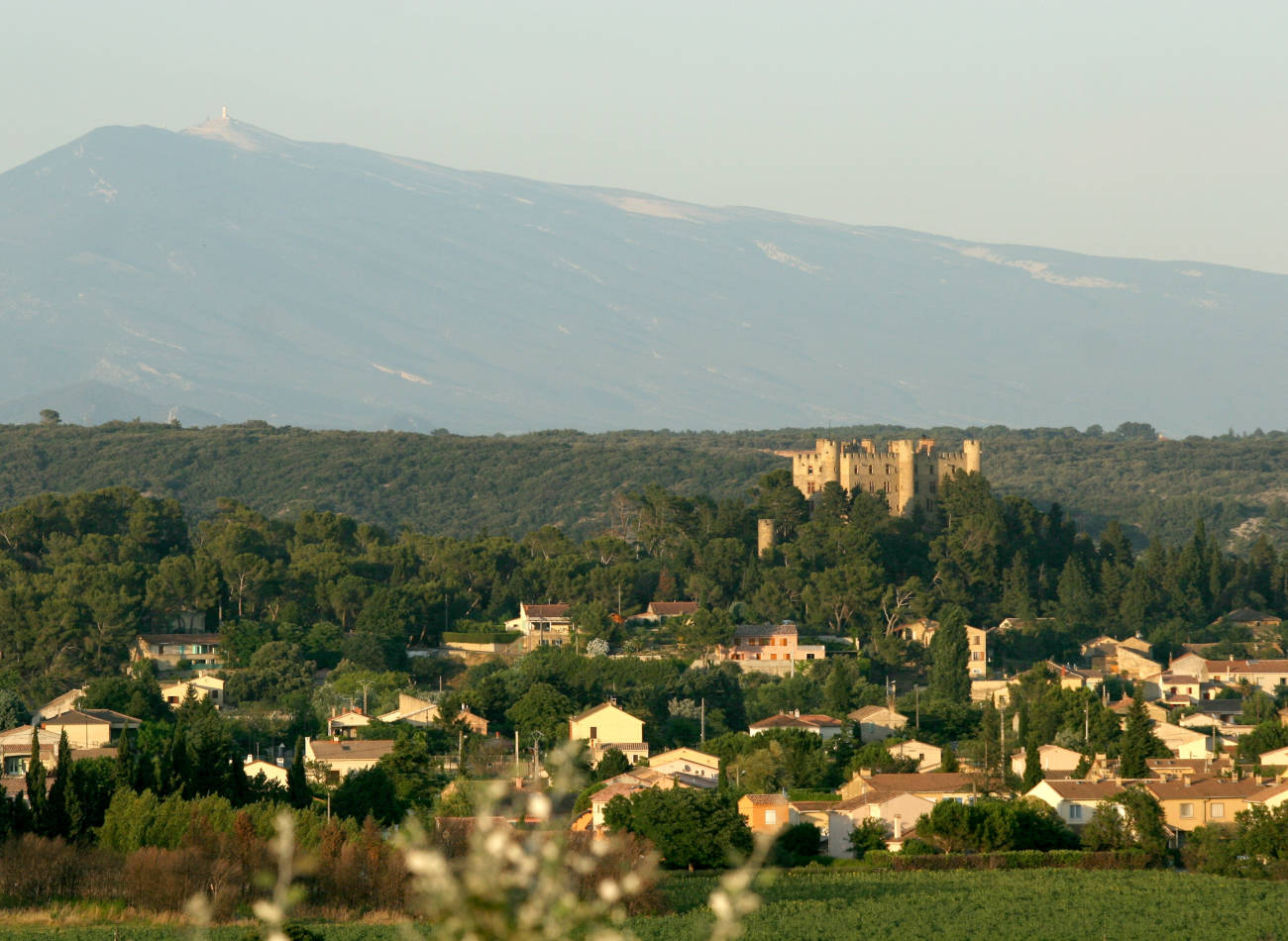
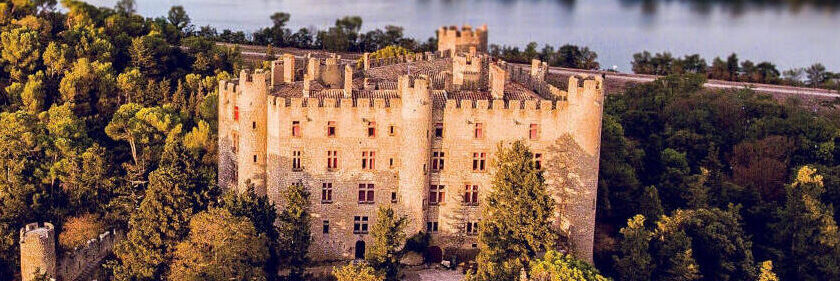
Thanks to its architectural heritage, the diversity of its terroirs, the richness of its ecosystem, its geography, and finally the strength of its history, the Château de Montfaucon stands as an exceptional site.
A Remarkable Biodiversity
The Château de Montfaucon wine estate extends primarily across the Lirac appellation, as well as the Châteauneuf-du-Pape and Côtes du Rhône AOCs. Its parcels are distributed among the communes of Montfaucon, Roquemaure, Saint-Geniès-de-Comolas, and Châteauneuf-du-Pape.
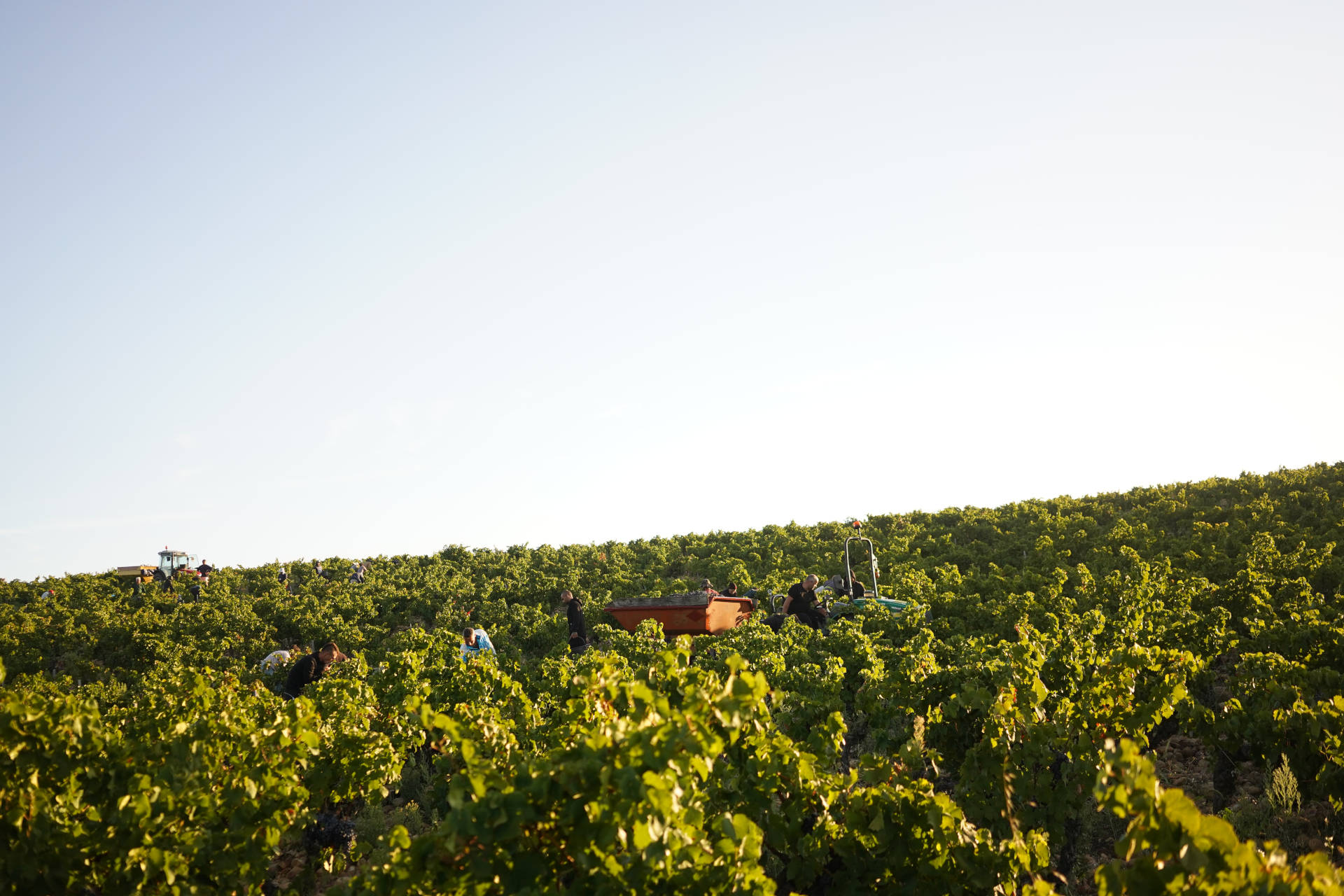
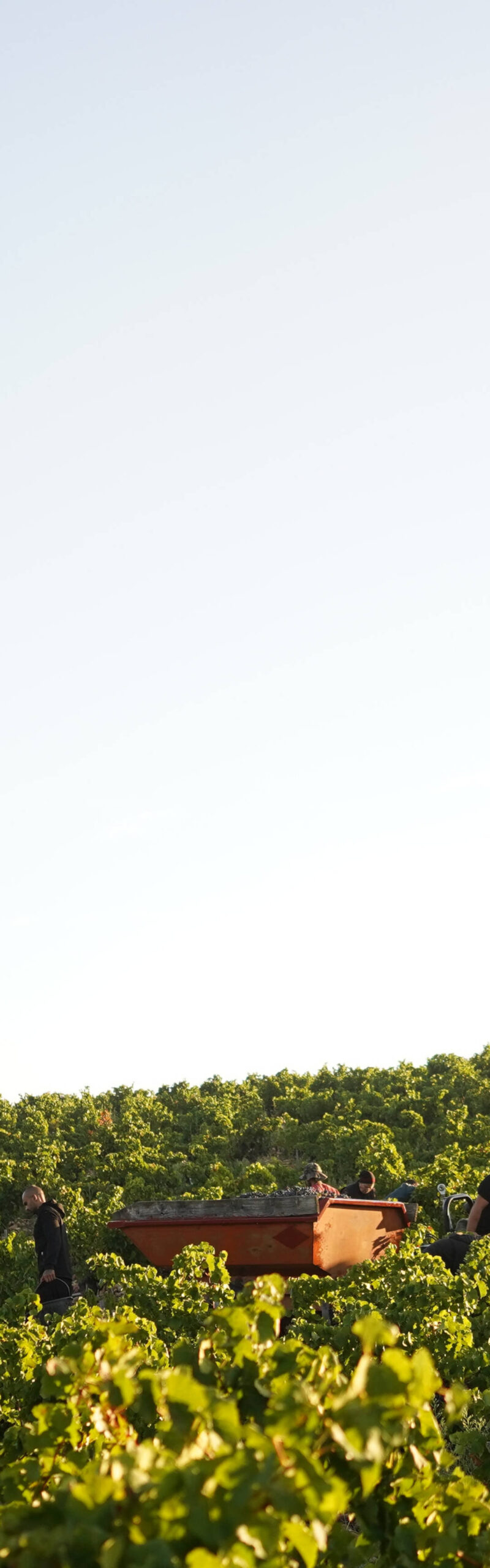
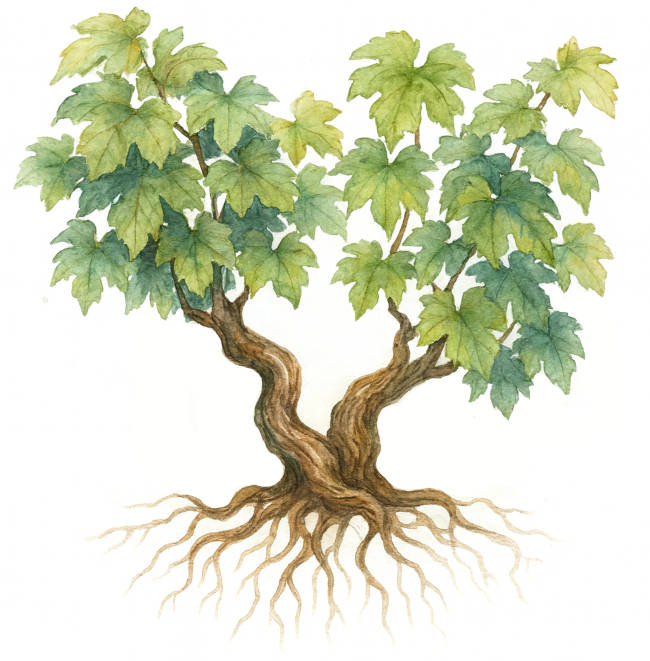
The vineyard is largely composed of old vines, some of which are centenarians. These benefit from varied exposures and gentle slopes, close to woodlands or limestone hills that provide shade and coolness—ideal conditions for crafting authentic vins de terroir.
First and foremost, the vines take root in three major soil types emblematic of the Southern Rhône: sandy, limestone, and galets roulés (rounded pebbles). Driven by this diversity of terroirs, Château de Montfaucon crafts wines in all three colors—red, white, and rosé—by cultivating a multitude of Rhône grape varieties (Grenache, Syrah, Carignan, Mourvèdre, Cinsault, Counoise, Viognier, Marsanne, Clairette, Bourboulenc, Picpoul, etc.). This varietal richness nurtures the uniqueness and expression of its wines.
The vineyard is largely composed of old vines, some of them being centenarian. They benefit from varied exposures and gentle slopes, near woodland or limestone hillsides that provide shade and freshness—ideal conditions for crafting terroir wines. Above all, the vines are rooted in three major, emblematic soil types of the Southern Rhône: sandy, limestone, and rolled pebbles.
Thanks to this diversity, Château de Montfaucon produces wines in all three colours—red, white, and rosé—cultivating a wide array of Mediterranean grape varieties (grenache, syrah, carignan, mourvèdre, cinsault, counoise, viognier, marsanne, clairette, bourboulenc, picpoul…). This varietal richness nourishes the singularity and expressiveness of its wines.
Victor Hugo
A legendary visitor in Montfaucon
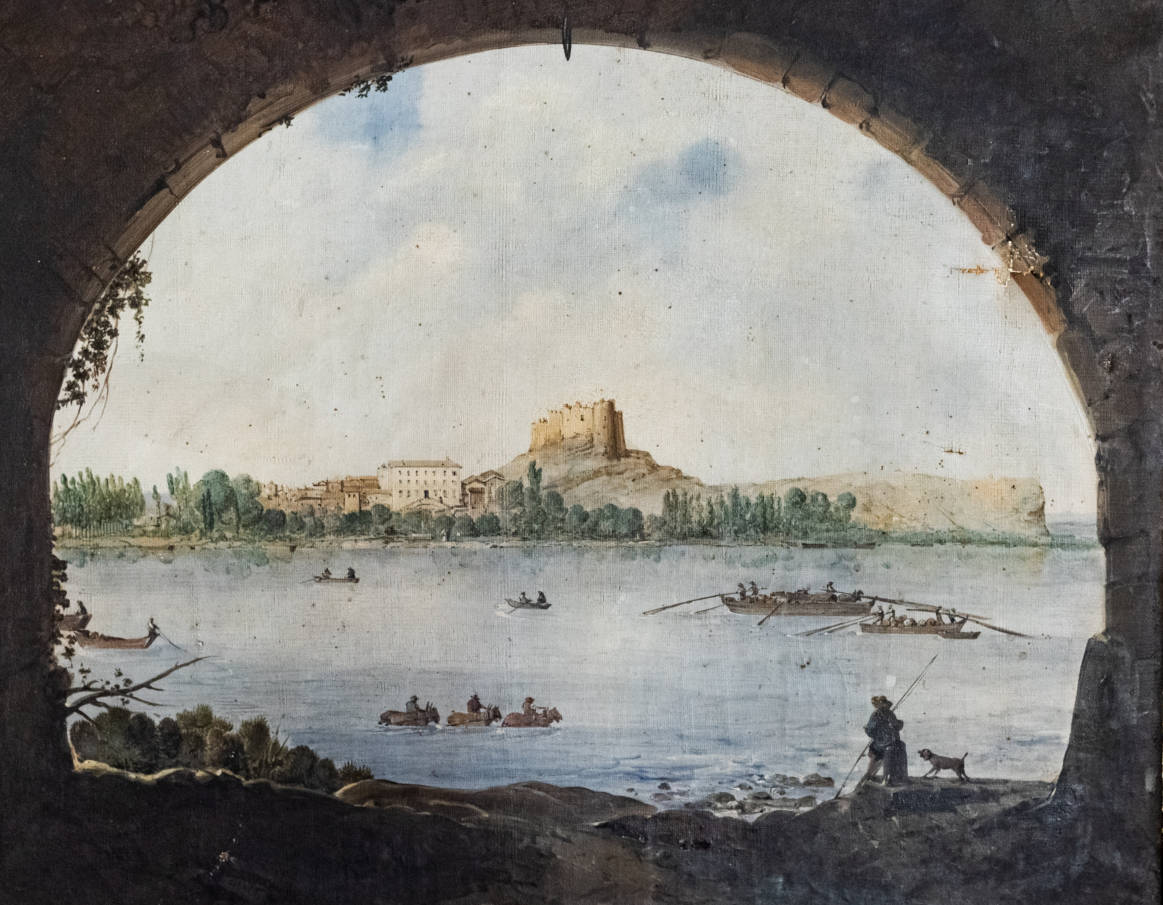
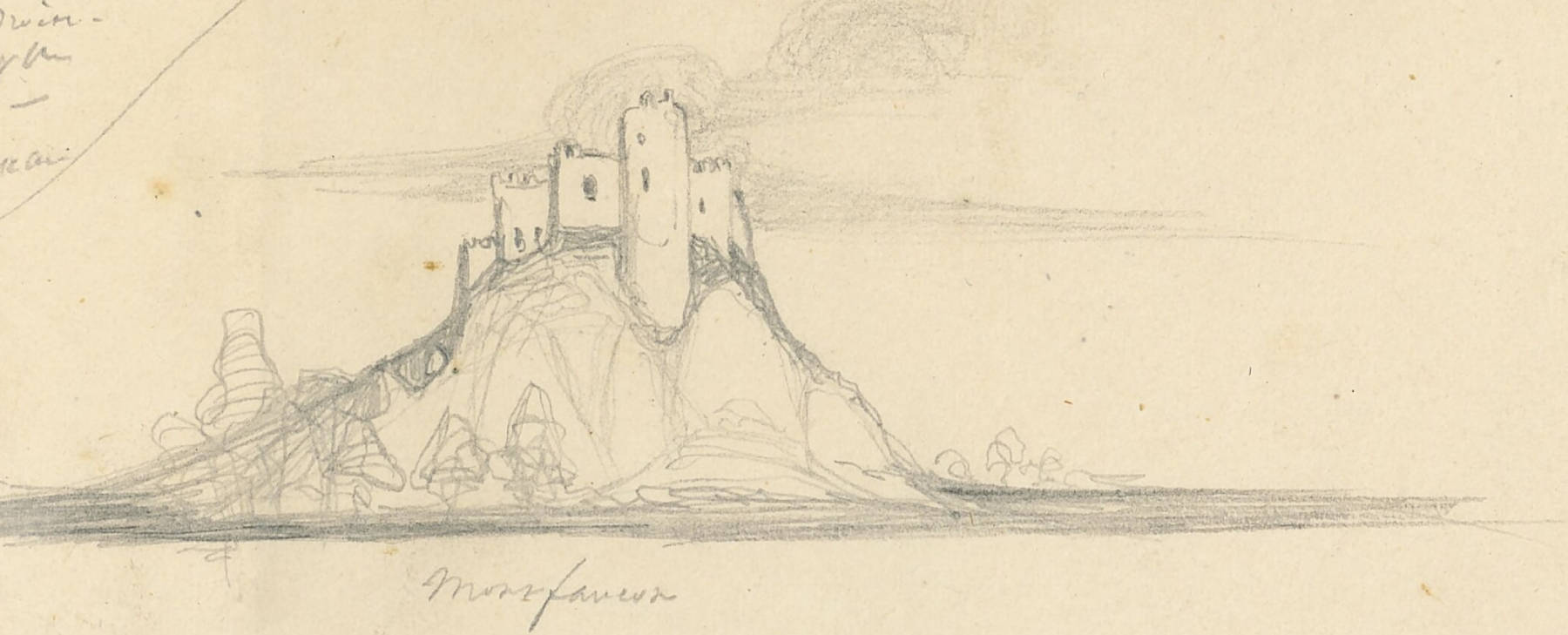
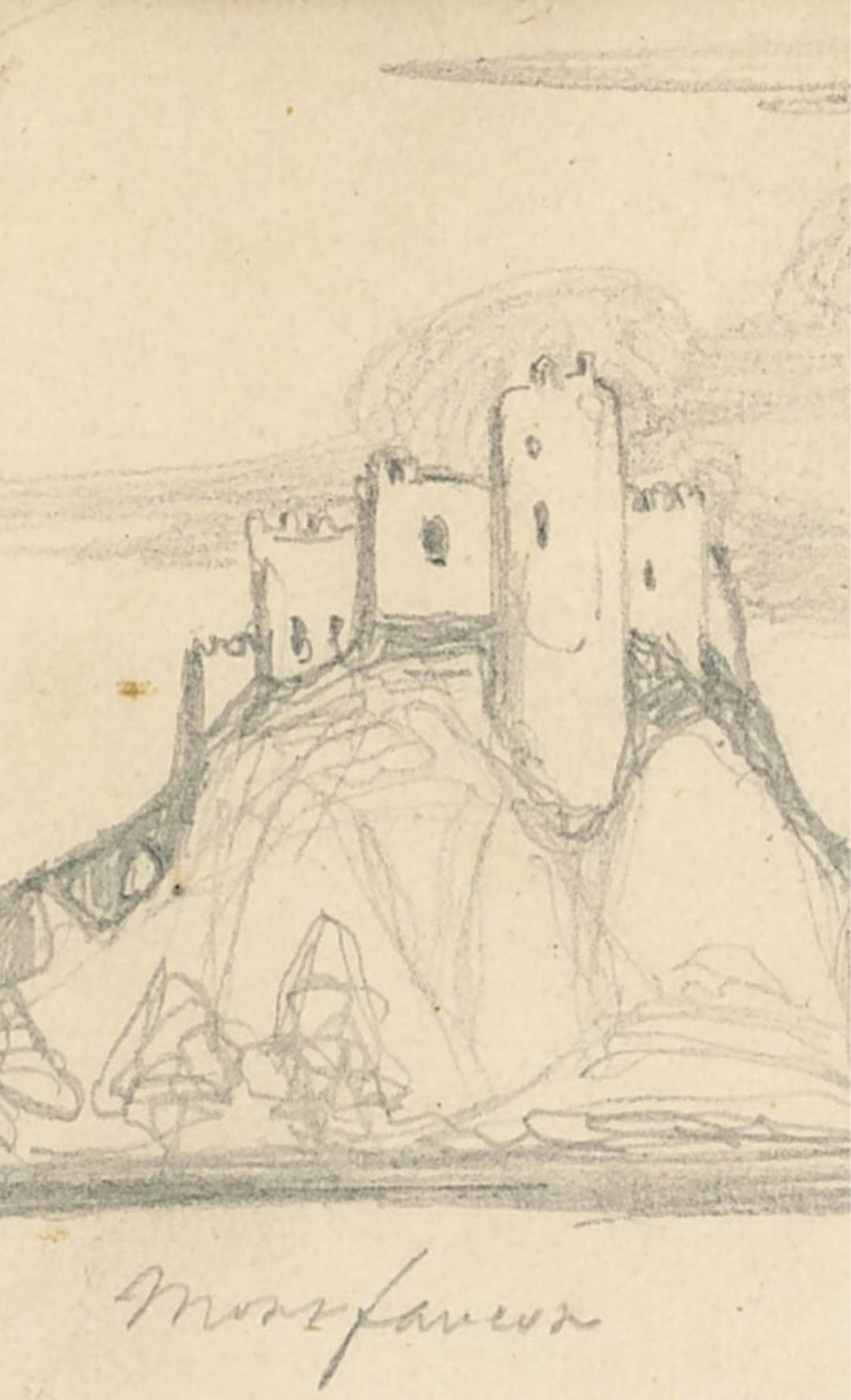
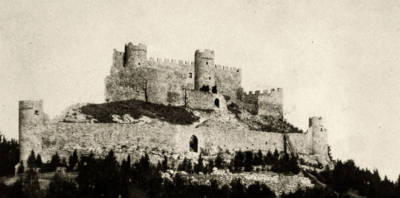
From the 17th to the 19th century, the old fortress of Montfaucon lay dormant, abandoned for over two hundred years. On October 13, 1839, Victor Hugo, captivated by ruined landscapes and romantic beauty, spotted it from a boat carrying him from Avignon to Lyon. Inspired, he sketched the outline of the castle in pencil.
A Millennial Castle
Seated high above the village of Montfaucon, the castle overlooks the Rhône Valley, standing as a major historical testimony for the region. Its origins date back to at least the 11th century, when the first tower was erected on this spectacular rocky promontory. It was initially built for strategic reasons: the Rhône River marked the fluvial border between the Kingdom of France and the Holy Roman Empire.
It was the powerful Laudun family who initiated the construction of Château de Montfaucon in the 13th century—a family later elevated to a barony by the King of France in 1420. Montfaucon remained the fief of the Laudun branch until the 16th century. Gradually, the old fortress was deserted and left to ruin.
In 1842, Baron Louis de Montfaucon (1823-1906) inherited the ancient fortress from his father, Baron Eugène. He decided to renovate the building in the 1880s, restoring its original medieval style. Seven years of research and construction were required to bring the “phoenix” of Montfaucon back to life.
To this day, Château de Montfaucon remains the only triangular castle that is still inhabited. A vibrant witness to the site’s rich and turbulent history, it majestically overlooks the Lirac landscape and the banks of the Rhône, serving as an essential landmark for travelers passing through the region.
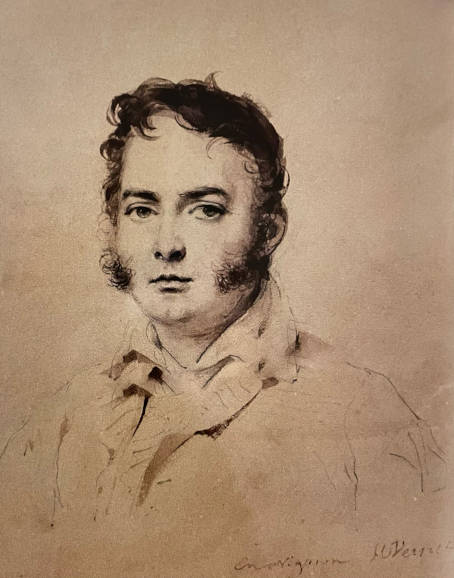
Portrait of Eugène Louis Gabriel Pertuis de Montfaucon, father of Baron Louis, Mayor of Avignon – by Horace Vernet (1826)
A Family hiStory
When Rodolphe de Pins took over the property in 1995, he embarked on a profound restructuring of the vineyard and the construction of a new concrete vat room. In less than twenty years, he expanded the vineyard to 50 hectares, bringing together a remarkable heritage of old vines and a wide diversity of grape varieties to express the full richness and complexity of the Lirac terroirs. Rodolphe brings a deeply respectful vision of ecosystems and terroirs, which he translates through organic viticulture and a constant quest for finesse in his wines. He leads this adventure alongside his wife, Mari.
Since 2022, his son Léon has also been working with him at the estate, with the prospect of one day taking over. Drawing on his experiences, Léon is continuing and deepening the high-precision work in the vineyard and favors low-intervention vinifications with gentle extractions, respecting the purest expression of the terroirs. He brings to Château de Montfaucon the committed outlook and drive of a new generation.
History of Montfaucon and its Wines
- Neolithic Era
First traces of human occupation in Montfaucon.
- 5th Century BC
During the Massaliote period, a village and a port are built beneath the Montfaucon hill.
- Roman Era
Excavations confirm the cultivation of vines in Montfaucon and the trade of wine with a shipping port on the Rhône River. River trade was made possible by direct access to the Rhône.
- 13th – 18th Centuries
1258–1570: The Château is owned by the de Laudun family. In 1420, the Barony appears in the acts of homage to the King.
1565–1765: The de Panisse family succeeds to the lordship of Montfaucon. A winemaking cellar (“chai”) is built - 1657
Eleven villages on the right bank (including Montfaucon) add the mention “La Côte du Rhône” to protect the quality of the wines and certify their origin.
- 1827–1842
Eugène de Pertuis, Baron de Montfaucon, is recognized as the Protector of Arts and Letters and the Best Ambassador of “La Côte du Rhône.” He develops the export of Montfaucon wines worldwide (notably to England, Scotland, the United States, and more).
- 1829
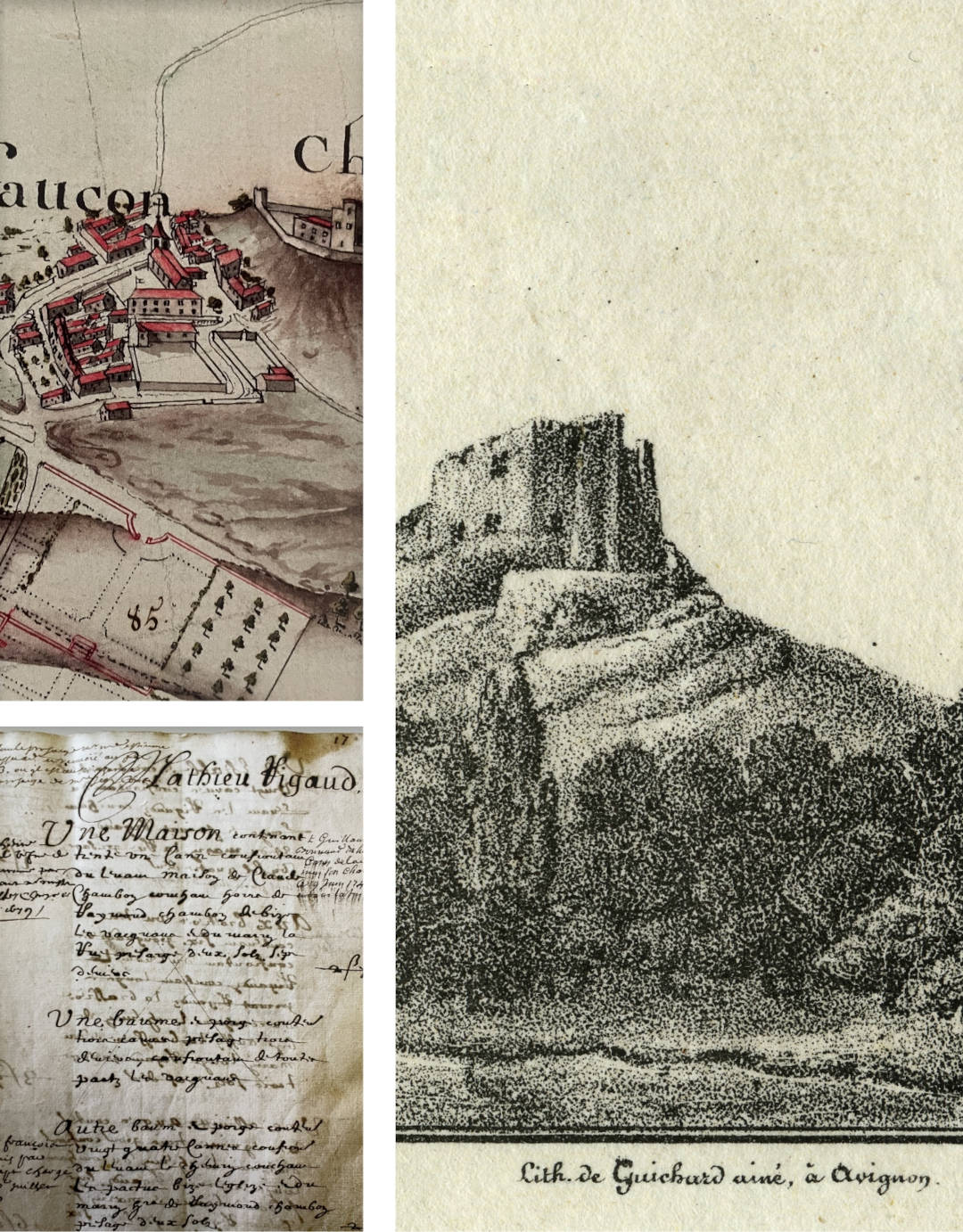
First label for “Vin de Mr le Baron,” featuring the lithograph published in the Guérin Panorama Guide.
- 1880
Restoration and extension of the Château by Baron Louis.
- 1910
Countess Madeleine, Baron Louis’ young niece, takes over the property. During the troubled times Europe experiences in the 20th century, Montfaucon halts its wine production. The harvested grapes are taken to the cooperative. The Countess manages the property for over 60 years before passing it on to her son, Jean-François.
- 1995
Rodolphe de Pins takes over the vine cultivation and gives a new impulse to the estate’s wines.
- 2012
Purchase of 150-year-old Clairette vines (some plants date back to 1870).
- 2014
Cultivation of a small 1.30-hectare plot in Châteauneuf du Pape, on the terroir of Les Escondudes (near La Crau).
- 2019
Cultivation of Clos Bimard, a historic clos (walled vineyard) in Châteauneuf du Pape; 3.5 hectares located in the Bois de la Ville district.
- 2022
Léon joins his father on the estate.